Walking Where the Sea Steps Back
Tides as Timekeepers
Reading the Tables Without Getting Caught
Treat tide tables as invitations with conditions, not promises etched in granite. Check multiple reputable sources, note the location used for predictions, and understand offsets for nearby coves. Confirm again on the morning, then recheck at the shore. Phones fail; carry a backup plan, visible landmarks, and a simple rule: if uncertainty rises, the wisest step is the one that retraces safely.
Windows of Safe Passage
Aim to approach close to low water, leaving generous margins before the flood gathers pace. Many walkers favor a window around either side of low tide, but local signage, lifeguards, and recent weather should overrule any rule of thumb. Build turnaround times, note escape routes, and share your plan with someone ashore who expects your cheerful return.
Weather, Swell, and Surprises
Offshore storms, pressure swings, and groundswells nudge shorelines in ways tables cannot capture. A calm chart can meet an agitated sea, pushing water sooner and higher across flats and cobbles. Watch flags, foam lines, and rockweed tails to sense change. If low clouds thicken and wind veers suddenly, choose storytelling over stubbornness and turn back early.
Stories Carried by the Retreating Sea
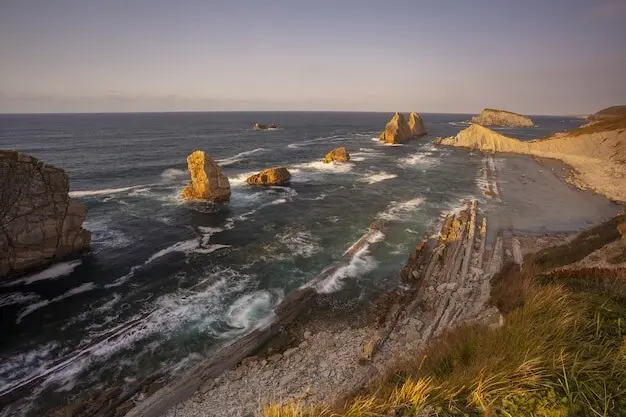
Pilgrims and Granite, Footprints in Salt
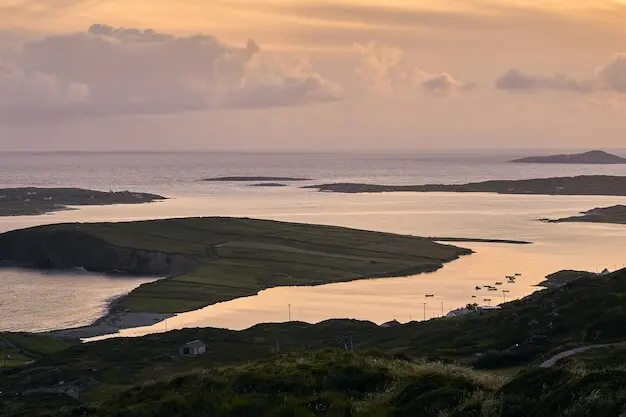
Smugglers’ Lanes Whisper After Dark
Wildlife of the Intertidal Fringe
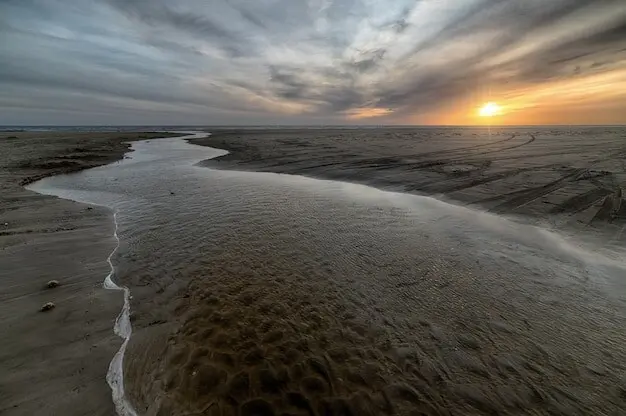
Reading the Rocks Underfoot
Granite Ribs and Serpentine Streaks
On headlands the crust shows its bones: granite rises in rounded ribs, resistant to pounding swells, while serpentine appears buttery, polished by centuries of salt and hands. These contrasts shape channels where water lingers and pathways that drain earliest. Match your route to stability, avoiding green gleam and barnacle-slick steps, and let the landscape’s story explain why one stone sings and another slides.
Lines That Point Home
Veins, ripple marks, and stranded wrack form arrows if you pause and widen your view. Notice how shallow gutters align with islets, suggesting routes and exits. Memorize silhouettes before you start, then check them often while walking. Should fog drift in or a shower blur horizons, those quiet lines become companions walking you back toward warmth, laughter, and dry socks.
Erosion as a Quiet Architect
Every winter storm edits the coastline, pulling sand from one cove and gifting it to another. A familiar passage can vanish or reappear, reminding us that permanence is a charming myth. Keep notes across seasons, compare photographs, and ask locals what changed last month. Flexibility and curiosity make reliable guides when maps lag behind the sculptor working tirelessly through long, restless nights.
Packing Light, Packing Right
With Children and Curious Dogs
If the Sea Turns Early
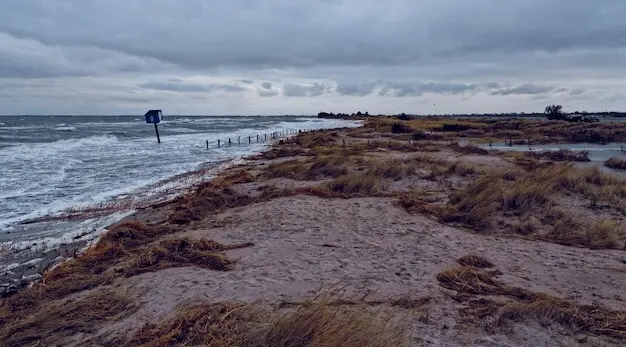
Capturing the Vanishing Roads
Light That Paints the Sand
Low angles lengthen every ripple, throwing velvet shadows between grains and tucking highlights into pools. Walk the scene before the camera does, testing compositions with your feet so you can move confidently when color ignites. Expose for brilliance without erasing detail, and remember that the best glow often happens moments after everyone else has packed away hope.
Macro Worlds at Your Toes
A fingertip distance reveals constellations in barnacle cups and galaxies in bubbleweed domes. Switch to manual focus, brace your elbows, and dial in a shutter that forgives a tremor. Avoid touching delicate bodies; let reflections work as foreground fireworks. You will leave with images and, more valuably, with sharpened attention you can carry into storms, kitchens, and conversations.
Compositions That Breathe
Follow the curve of weed lines, place a friend where horizon and path kiss, and leave negative space for the sea’s imminent return. Triangles formed by posts, pools, and clouds create tension without noise. Wait for footprints to soften, or place your own deliberately. Photographs that breathe honor silence, anticipation, and the knowledge that everything you framed will soon be water again.