Tide-Smart Journeys Across Cornwall's Shifting Causeways

Step into the ocean’s rhythm and learn how to cross Cornwall’s tidal causeways with confidence and care. This page explores navigating Cornwall’s tidal causeways, focusing on safety, timing, and essential gear so you can enjoy unforgettable walks without unnecessary risk. From reading tide tables to choosing dependable footwear and understanding when to turn back, you will find practical guidance, local insight, and gentle encouragement to plan crossings that feel calm, prepared, and beautifully memorable, even when the sea keeps its own surprising schedule.

How the Water Moves: Understanding Tidal Windows
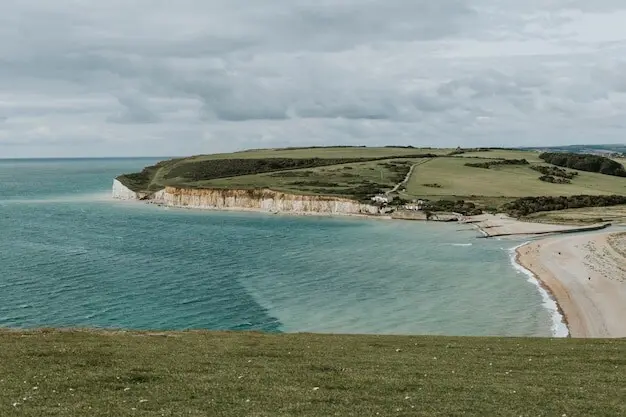
Spring and Neap: Why Your Window Changes Each Week

Spring tides arrive after full and new moons, pulling water higher and pushing it lower, sometimes leaving causeway stones uncovered for a longer but faster-changing period. Neap tides, after quarter moons, are gentler, often narrowing extremes but still demanding respect. Your crossing time is rarely identical day to day. Check a reliable tide table, compare several sources if possible, and remember that daylight, swell, and your walking speed convert predictions into real choices you must make conservatively.

Wind, Swell, and Pressure: Invisible Hands That Steal Minutes

Spring tides arrive after full and new moons, pulling water higher and pushing it lower, sometimes leaving causeway stones uncovered for a longer but faster-changing period. Neap tides, after quarter moons, are gentler, often narrowing extremes but still demanding respect. Your crossing time is rarely identical day to day. Check a reliable tide table, compare several sources if possible, and remember that daylight, swell, and your walking speed convert predictions into real choices you must make conservatively.

Reading a Table vs Reading the Sea

Spring tides arrive after full and new moons, pulling water higher and pushing it lower, sometimes leaving causeway stones uncovered for a longer but faster-changing period. Neap tides, after quarter moons, are gentler, often narrowing extremes but still demanding respect. Your crossing time is rarely identical day to day. Check a reliable tide table, compare several sources if possible, and remember that daylight, swell, and your walking speed convert predictions into real choices you must make conservatively.

Plan the Crossing Like a Local

Local walkers blend reliable information with calm discipline. They check official sources for crossing advice, compare multiple apps, and carry an old-fashioned backup like an OS map. They arrive early, observe the shoreline’s mood, set a firm latest-start time, and keep an even firmer latest-return. They park where departure is easy, stash dry socks, and prepare for a boat return if necessary. Planning is not worry; it is hospitality extended to your future self, welcoming you safely back to shore.

Choosing Your Window and Building a Buffer

Select a window that lets you cross without hurrying out or racing back. Locals pad both sides generously, preferring laughter on dry stones to drama in ankle-deep water. Aim to start as the causeway clears, not at the final minute. Commit to a latest turnaround time you will actually honor. If you would hesitate to bring a child across at that moment, treat it as a no-go for yourself too. Buffers protect memories as much as bodies and gear.

Landmarks and Line: Staying on the Granite Spine

When water retreats, it can reveal more than one enticing path. Stay on the recognized granite line, following signs and obvious footing rather than cutting across glistening shortcuts. Seaweed-slick edges tempt ankles and cameras alike. Pick distant markers ashore, such as a harbor wall or chapel silhouette, to guide a steady course. If waves begin fingering across the stones, do not dodge puddles that pull you off-route. A slow, straight line is safer than quick zigzags toward trouble.

Logistics: Parking, Boats, and Quiet Moments

Arrive with extra time for parking, photographs, and simple contemplation. A planned boat return can transform late-tide nerves into peaceful anticipation, especially when crossing back would compress too tightly against the rising water. Bring coins or cards for shuttles where offered, and set a meeting place for companions. Note toilets, cafes, and sheltered spots to regroup if weather shifts. Logistics are not background; they are the stage on which a serene crossing quietly unfolds without unnecessary improvisation.

Stay Safe From First Step to Final Stone
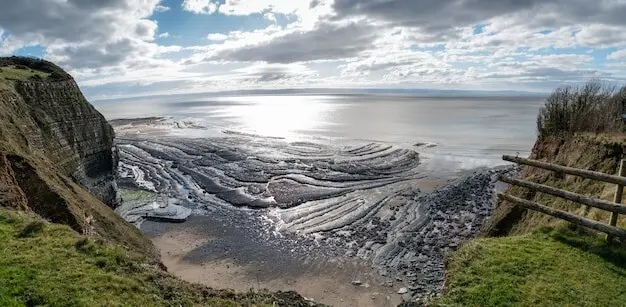
Good safety is not austere; it is a friendly checklist that keeps joy available. Walk at a comfortable pace, avoid leapfrogging slick patches, and turn around early if uncertainty grows. Keep children close and dogs on short leads, since tide channels can appear suddenly. If cut off or confused, do not push into deepening flow. Seek firm ground, signal clearly, and call 999 for the Coastguard when needed. Humility around water is a lifelong skill that rewards every traveler.

If the Tide Turns: Turn Back Early, Signal, and Seek High Ground

The moment you feel time shrinking, treat the feeling as your friend, not an inconvenience. Turn back while the decision is easy, before channels stitch across your route. If already narrowed, retreat to shore or the island rather than lingering mid-causeway. Make yourself visible with bright clothing or a headtorch. If you require help, call 999 and ask for the Coastguard, describing your position calmly. Courage often means choosing the simpler option well before urgency arrives.

Footing and Visibility: Slippery Algae, Nightfall, and Fog

Seaweed-slick stones can be treacherous even when almost dry. Step flat, test traction, and shorten strides where sheen appears. Avoid twilight crossings that compress judgment and make water edges indistinct. Fog can mask both island and shore, turning a straight path into uncertainty. Use a headtorch aimed low to reveal texture rather than blinding wet rock. If visibility drops, slow down, regroup, and commit to your safest known direction, accepting that today’s photograph can wait for clearer light.

Essential Gear That Earns Its Place

Pack light but with intention. Grippy waterproof footwear, layered clothing, and a compact waterproof jacket handle sudden shifts. A small dry bag protects phone, map, and a power bank. Add headtorch, whistle, and a few plasters. Carry water even on short walks, plus a snack to keep decisions calm. Gear should feel like quiet confidence in your pack, rarely used but always ready. If it helps you turn back comfortably, it is worth the few extra grams.

Footwear and Layers: Warm, Dry, and Grippy

Choose shoes or boots with reliable wet-rock traction and enough support for uneven stones. Avoid canvas that soaks quickly and chills feet. Merino or synthetic base layers manage sweat and breezes, while a light insulating midlayer wards off wind stealing heat after sunset. A trim waterproof shell handles passing showers. Spare socks become more than comfort if stepping misjudges a shallow channel. Dress for pauses, not just motion, because real journeys include watching waves and waiting patiently.

Navigation and Power: Maps, Apps, and Backup

Download offline maps, save tide times, and bookmark official crossing advice in case reception dips. A small power bank and short cable transform a fading phone into a dependable companion. Mark car park and meeting points before you set off. Paper still wins when batteries shiver in cold wind, so a folded OS sheet map in a zip bag is humble insurance. Keep screen brightness low, airplane mode ready, and location services available for quick orientation if needed.
Stories From the Stones

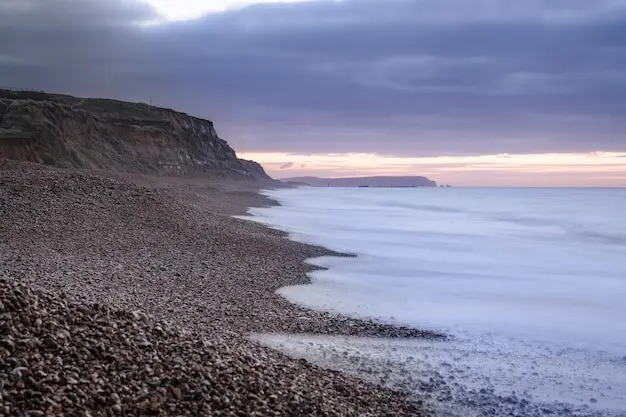
Experience teaches what lists cannot. A traveler who hurried once learned that the sea does not debate. Another found that arriving early gifted unexpected solitude and soft morning color glowing on wet rocks. RNLI volunteers share practical mantras that echo kindly in memory. These stories are not cautionary scolds; they are warm reminders that patience, preparation, and gentle humility keep crossings joyful. Read them, share your own, and help the next visitor walk with calmer steps and brighter confidence.

Respect the Place: Nature, Heritage, and Community
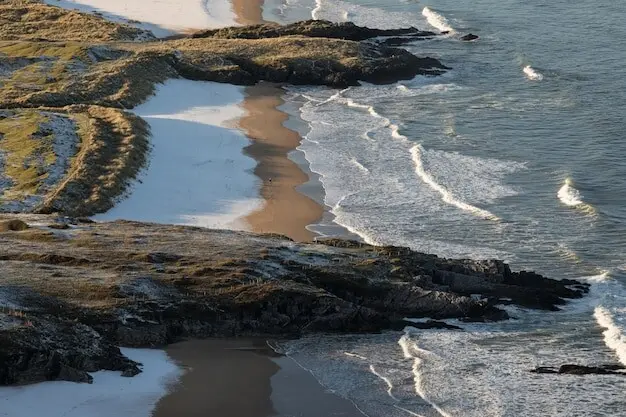
Granite underfoot holds centuries of footsteps, tides, and repairs. Rockpools host anemones, small fish, and quiet dramas easily disturbed by careless boots. Birds feed along wrack lines that look decorative but are essential. Staying on the path protects life as much as ankles. Keep noise low, leave stones where they belong, and pack out every crumb and wrapper. Consider local residents who share roads and car parks. Courtesy and care make every coastal visit easier for the next person.

Beyond One Crossing: Tide-Savvy Adventures Around Cornwall

Once you learn to plan with the tide, the whole coast opens differently. Link crossings to sections of the South West Coast Path, design loops with safe escape routes, and choose days for light rather than just low numbers on a chart. Explore other intertidal experiences like seasonal estuary footbridges or ferries, always checking local notices before committing. Keep curiosity wide and timings modest. Let the sea set the tempo while you compose a patient, rewarding itinerary.
Study maps for circular routes that include an out-and-back causeway walk, then return by cliff path or beach, depending on conditions. Mark alternative exit points in case clouds thicken or time squeezes. Small adjustments turn potential pressure into pleasant options. A loop that ends near your starting car park preserves energy for a warm drink and shared reflections. The best loop is the one you actually complete, pleasantly, with smiles still easy and backpacks still tidy.
Cornwall offers more than a single celebrated path. In some places, estuaries reveal seasonal footbridges or small passenger ferries when tides are high, creating charming alternatives to risky wades. Check signage, timetables, and local advice well in advance. Wide beaches can feel like simple shortcuts, yet channels sometimes cut surprising trenches. Keep your planning habits consistent everywhere: verify, build buffers, and favor dependable routes. Curiosity thrives when grounded by reliable information and a willingness to postpone uncertain adventures.
Lentozeravirokarofarivelto
Privacy Overview

This website uses cookies so that we can provide you with the best user experience possible. Cookie information is stored in your browser and performs functions such as recognising you when you return to our website and helping our team to understand which sections of the website you find most interesting and useful.